From Inspiration to Infrastructure: Lessons from Crip Camp
Reflections from our engagement around Crip Camp: A Disability Revolution and why sustainable impact requires planning, structure, and care.
ARTS & CULTURESTORY TELLINGDISABLED CREATIVES
Baron Chikuni
12/26/20251 min read
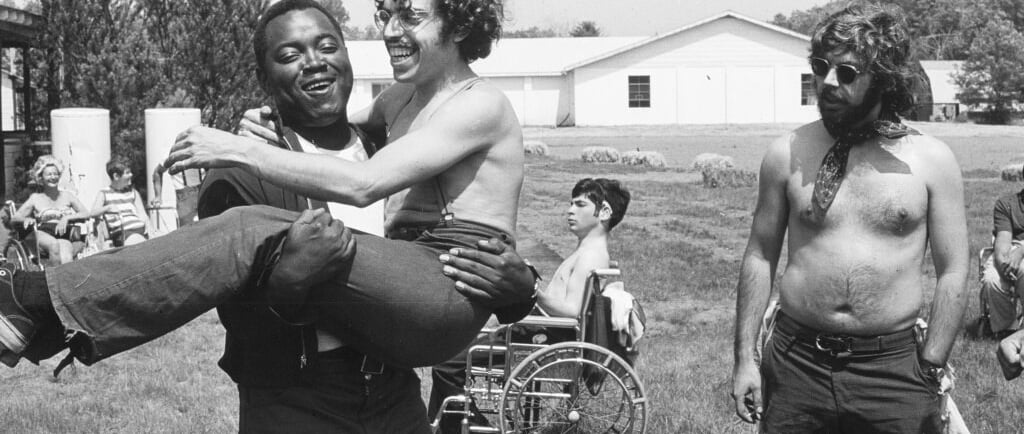
Image: From the Crip Camp documentary, courtesy of Netflix.
Moments of inspiration often arrive through people — conversations, shared experiences, and learning from those who have walked the path before.
Our engagement with Jim LeBrecht during the Crip Camp: A Disability Revolution Q&A session at the U.S. Embassy in Harare in September 2025 was one of those moments. It reinforced the power of storytelling, community, and disability-led narratives.
But inspiration alone does not sustain impact.
In recent conversations, we were encouraged to pay attention to the practical foundations that make long-term work possible: understanding operational needs, planning realistically for day-to-day running costs, and ensuring that passion is supported by structure.
At Echoes of Ability, this is where our focus currently sits.
As we prepare mentorship programmes and creative collaborations for 2026, we are intentionally taking time to map what sustainability looks like — not just creatively, but operationally. This includes developing a working budget that reflects real needs, honest capacity, and responsible growth.
This stage may not be visible to everyone, but it matters.
Strong initiatives are not built on momentum alone. They are built on clarity, care, and systems that protect the people at the heart of the work.
This is the work we are quietly doing now — so that what comes next can last.
Get in touch
Newmarket, Suffolk (UK)
UK-wide & international support (including Zimbabwe)
Online & in-person (The Racing Centre)
Contact
info@echoesofability.org